Ratings agency Morningstar DBRS said crude oil prices have risen sharply since coordinated attacks by the United States and Israel against Iranian military targets began on February 28, heightening political risk and disrupting energy flows.
In a publication following the breakout of the conflict, the agency said higher crude prices reflect increased geopolitical uncertainty and the potential interruption of supply, as shipping authorities and carriers have halted traffic through the Strait of Hormuz, a chokepoint through which around 20 per cent of the world’s crude oil and seaborne natural gas passes.
It added that the loss of Iranian barrels is likely to have a smaller impact on crude prices because Opec+ spare production capacity provides a buffer to global markets.
“We believe that there is too much uncertainty to determine whether crude oil prices will remain high, and this will largely depend on how the conflict evolves,” said Ravikanth Rai, deputy managing director for energy and natural resources ratings at Morningstar DBRS.
“As such, there is no change to our mid-cycle price assumptions, and therefore we are not considering any rating actions at this time,” Rai added.
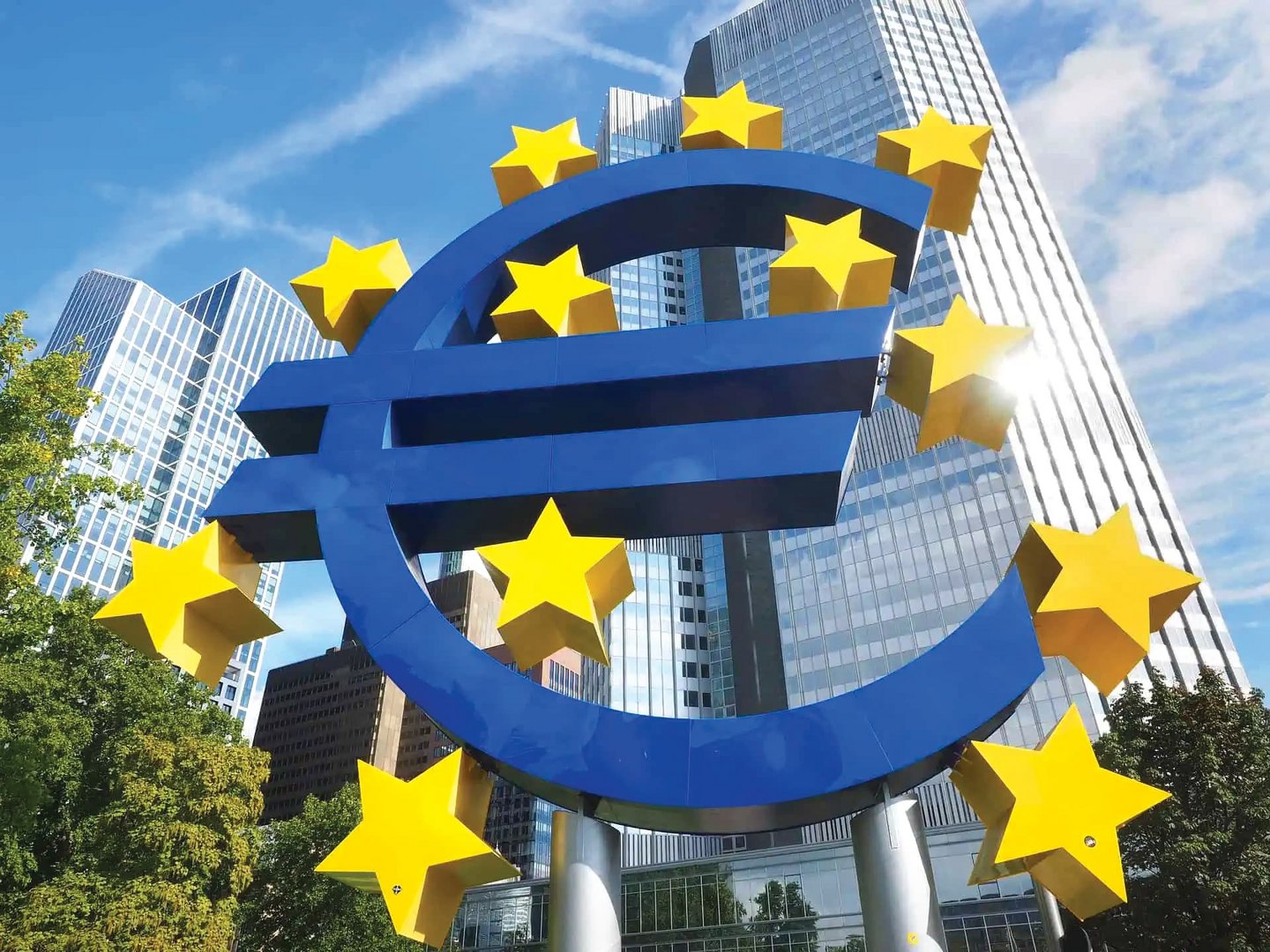
Meanwhile, the European Central Bank (ECB) on Tuesday warned that a prolonged conflict in the Middle East and sustained reductions in energy supplies could trigger a sharp rise in eurozone inflation and weigh on regional growth.
“An escalation of conflict in the Middle East has been one of the main risk scenarios tracked by the ECB,” said Philip Lane, member of the executive board of the European Central Bank, referring to scenario analysis published by Eurosystem staff in December 2023.
“Eurosystem staff published a scenario analysis in December 2023 that indicated there would be a substantial spike in energy-driven inflation and a sharp drop in output if a conflict led to a persistent drop in energy supplies and disruptions in regional economic activity,” he said.
He added that “the impact would be amplified if it also gave rise to a repricing of risk in financial markets”.
“Directionally, a jump in energy prices puts upward pressure on inflation, especially in the near term, and such a conflict would be negative for economic activity,” he said.
He further said that “the scale of the impact and the implications for medium-term inflation depend on the breadth and duration of the conflict,” adding that the ECB would be closely monitoring developments.
The coordinated strikes by the United States and Israel on the Islamic Republic, followed by Iranian retaliation across the region, have disrupted global energy flows, with the Strait of Hormuz effectively closed.
Qatar has also halted liquefied natural gas production after Iranian attacks on state LNG processing facilities, further tightening supply.
Both oil and gas prices have climbed steeply since the outbreak of hostilities last weekend, intensifying concerns over renewed price pressures.
Holger Schmieding, head of Berenberg, predicted that a sustained increase of 15 dollars per barrel in oil prices could lift eurozone consumer prices by almost 0.5 percentage points.
Research group Capital Economics estimated that a prolonged rise in energy prices could add around 0.3 percentage points to inflation.
After surging sharply in 2022 following the energy shock triggered by Russia’s invasion of Ukraine, eurozone inflation has recently eased back towards the ECB’s 2 per cent target.
The Frankfurt based central bank has kept its key interest rate unchanged at 2 per cent since June of last year.
Its next rate setting meeting is scheduled for March 19, 2026, against a backdrop of rising geopolitical tension and renewed volatility in global oil and gas markets.