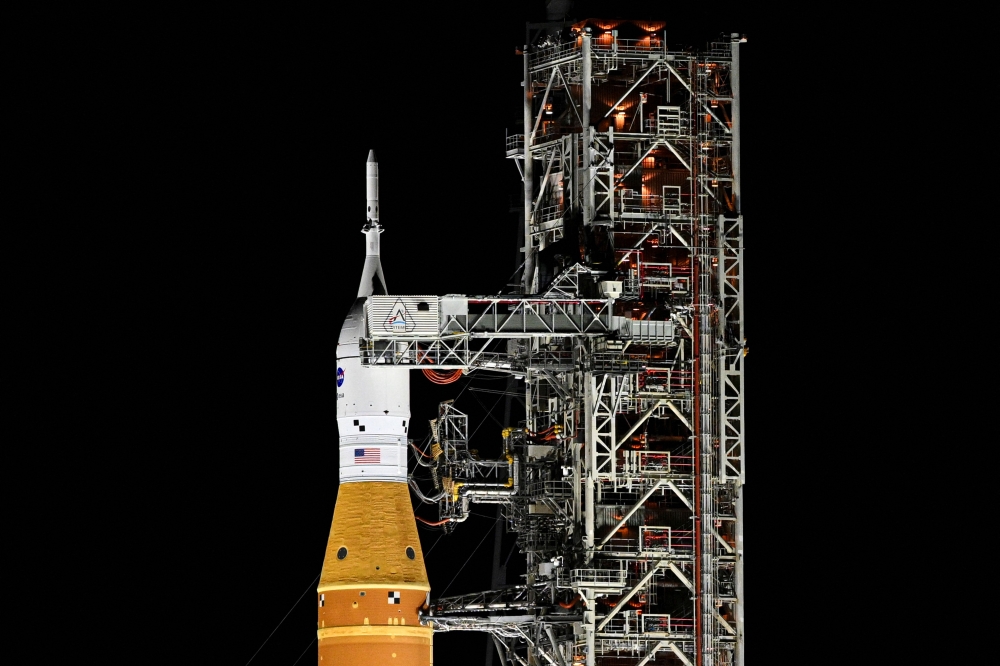
NASA has postponed the historic Artemis II mission, the first crewed lunar flight in over half a century, due to forecasted near-freezing temperatures at Kennedy Space Center.
The launch, which would send four astronauts on a journey around the Moon and back, is now targeted for no earlier than 8 February 2026-a two-day delay from the initial schedule. The decision was announced following the cancellation of a critical fueling test for the 322-foot (98-meter) Space Launch System (SLS) rocket originally planned for this weekend. This delay compresses the available launch window, leaving NASA with only three potential days in early February before the opportunity slips into March.
“Any additional delays would result in a day-for-day change,” the agency stated, highlighting the mission’s sensitivity to scheduling constraints. The agency is actively adapting systems, including rocket-purging operations and capsule heaters, to mitigate the cold-weather risks.
The postponement adds complexity to NASA’s tightly choreographed launch manifest. The Artemis II mission must now compete with the urgent launch of a fresh crew to the International Space Station (ISS), a flight that was accelerated due to the early medical return of the current station crew.
Mission managers confirmed that the lunar flight will take priority if it can launch by 11 February, the final possible date this month.
If Artemis II launches by that deadline, the subsequent ISS crew rotation would be delayed until the Artemis astronauts return to Earth later in February. The highly anticipated mission marks a return to deep-space human exploration, last undertaken during the Apollo 17 mission in 1972.
A successful dress rehearsal for the rocket is now scheduled for Monday, pending favourable weather conditions.