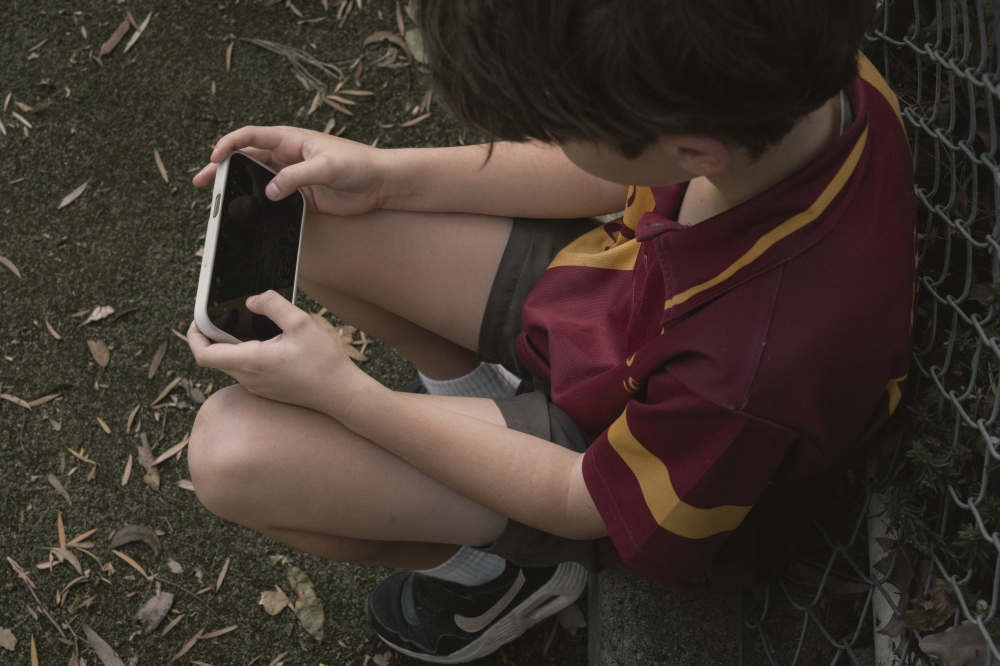
SYDNEY — Nearly 5 million social media accounts belonging to Australian teenagers have been deactivated or removed, a month after a landmark law barring those younger than 16 from using the services took effect, the government said Thursday.
The announcement was the first reported metric reflecting the rollout of the law, which is being closely watched by several other countries weighing whether the regulation can be a blueprint for protecting children from the harms of social media, or a cautionary tale highlighting the challenges of such attempts.
The law required 10 social media platforms, including Instagram, Facebook, Snapchat and Reddit, to prevent users under 16 from accessing their services. Under the law, which came into force in December, failure by the companies to take “reasonable steps” to remove underage users could lead to fines of up to 49.5 million Australian dollars, about $33 million.
Prime Minister Anthony Albanese has praised the law as a world-first attempt to shield young teens from the mental health detriments and potential abuses of social media. On Thursday, he said it was encouraging to see social media companies making a meaningful effort to keep children off their platforms.
“Change doesn’t happen overnight,” he said. “But these early signs show it’s important we’ve acted to make this change.”
The number of removed accounts offered only a limited picture of the ban’s impact. Many teenagers have said in the weeks since the law took effect that they were able to get around the ban by lying about their age, or that they could easily bypass verification systems.
The regulator tasked with enforcing and tracking the law, the eSafety Commissioner, did not release a detailed breakdown beyond announcing that the companies had “removed access” to about 4.7 million accounts belonging to children under 16.
Meta, the parent company of Instagram and Facebook, said this week that it had removed almost 550,000 accounts of users younger than 16 before the ban came into effect.
Several governments around the world, including Denmark, the European Union, France, New Zealand and Malaysia, have said they are considering similar bans. Prime Minister Keir Starmer of Britain told members of Parliament this week that he was considering it, according to reports.
Julie Inman Grant, the eSafety Commissioner, acknowledged there would still be some underage teenagers on social media, but said the law’s success should ultimately be measured by a broader reduction in harm that could take years to become apparent.
“Speed limits, for instance, are not a failure because some people speed,” she said. “Most would agree that roads are safer because of them.”
Jack Okill, 15, was among the teenagers who found themselves locked out of their social media accounts last month. He had built a following of 1,500 people on Instagram, which he used to connect with his peers and promote his political podcast, “Your First Vote.”
“I was quite frankly annoyed when I opened my phone, went on Instagram to check what’s happening, and it just said I’m logged out,” he said.
Jack said he created a new Instagram account using his mother’s details to post his content until he turns 16 later this year, when he will be able to reclaim his old account. His mother manages the new account, he said.
While he understood the need to limit exposure to harmful content and to stop online abuse, he said the government should have forced companies to make their platforms a safe place for children, rather than impose a blanket ban.
“I’m old enough to know what’s happening in the world,” he said. “But the government is treating us like children.”
Another Australian teen, 14-year-old Raeve, said he was able to continue using his YouTube account by changing his age and that his account on Reddit remained active. Most of his peers seem unaffected by the ban, he said.
“It’s undoubtedly done nothing, from my view,” said Raeve, who asked that he only be identified by his first name because he is a minor. His father was prompted by YouTube on his own account to verify his age with an ID or a photo, while Raeve’s account was not flagged, according to the teenager.
He said he was well attuned to the pitfalls of social media, having been bullied for videos he posted when he was 9 years old. He has also observed a schoolmate who appeared to become steeped in far-right, racist views from things he was exposed to on social media, he said.
Even though Raeve was happy that he could still access his accounts, he said he was disappointed in what he felt was an inadequate effort by the government to make sure that young people were more thoroughly protected from the dangers of social media.
Critics of the law have also cautioned that a blanket ban may disproportionately affect minorities, teens living in remote areas who connect with peers online, or young people living with disabilities who may have found communities through social media.
This article originally appeared in The New York Times.