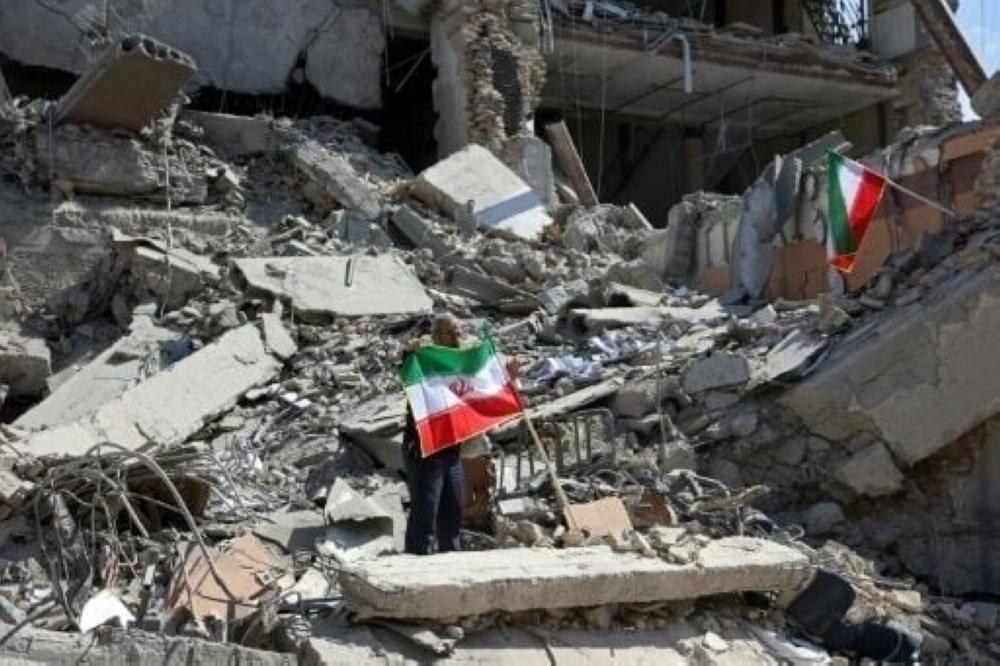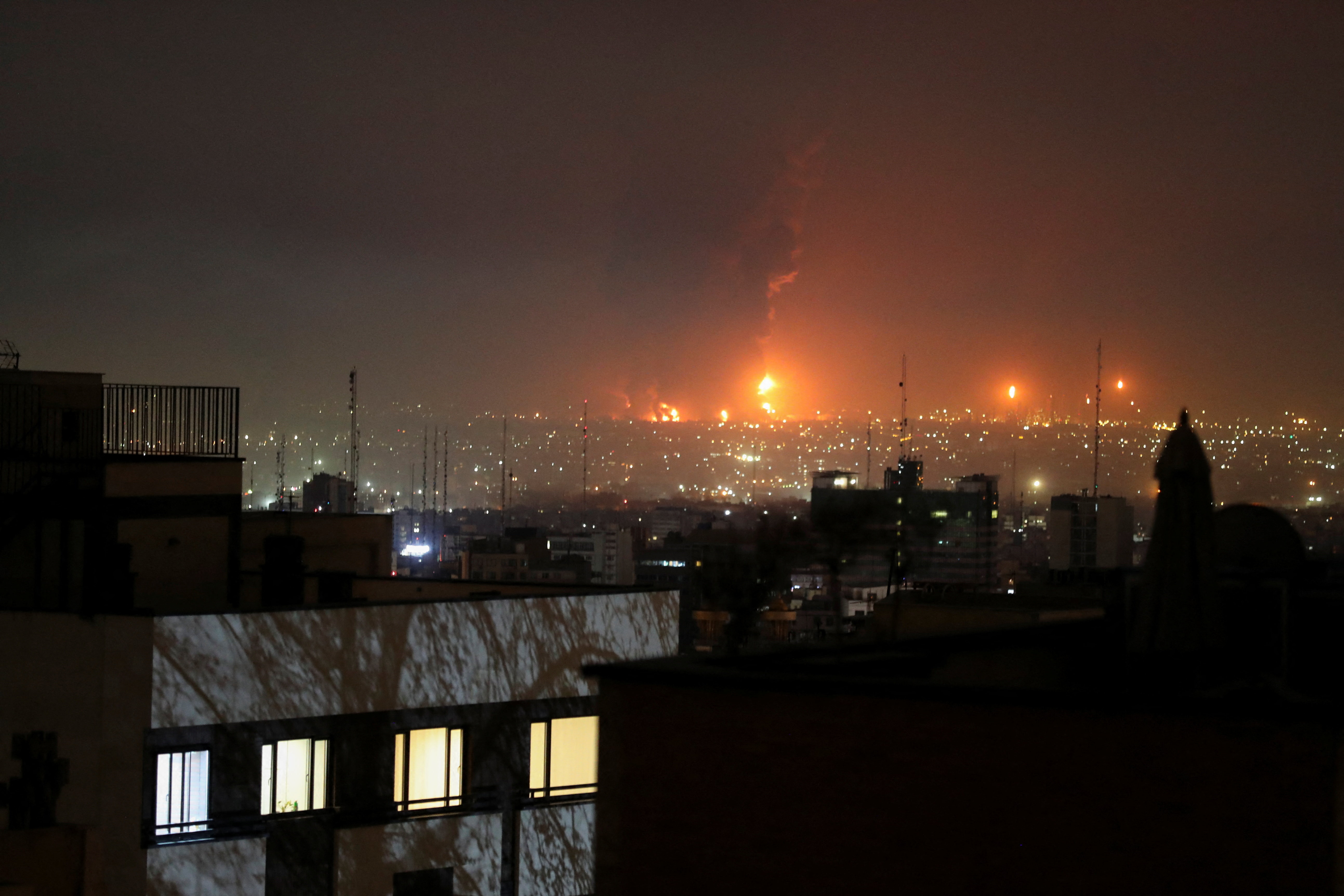
Israeli forces expanded their bombardment of Iran overnight, striking fuel depots near Tehran, while Bahrain said an Iranian attack had damaged one of its desalination plants, signalling a widening assault on vital infrastructure across the region.
As the fighting escalated on day nine of the US-Israeli assault on Iran, Tehran moved closer to naming a new supreme leader after the killing of Ayatollah Ali Khamenei, with every indication suggesting his powerful son could take charge.
Israel’s military threatened to kill any replacement for Khamenei, while US President Donald Trump said the war might only end once Iran’s military and rulers had been wiped out.
BLACK SMOKE HANGS OVER TEHRAN
Video from Tehran showed thick, choking black smoke hanging over the city early on Sunday after strikes on oil storage facilities had lit up the night sky with plumes of orange flame.
An Israeli source said the fuel was used to manufacture and develop weapons and to operate military bases. Iran’s oil distribution company said four of its employees were killed in the blitz, adding that rationing would be introduced temporarily in some areas “to ensure fair and sustainable supplies”.
Shortly after the attack, which appeared to mark a new phase in the war, Israeli Prime Minister Benjamin Netanyahu said his government would press on with the assault and strike Iran’s rulers “without mercy”.
“We have an organised plan with many surprises to destabilise the regime and enable change,” he said in a video statement. “We have many more targets.”
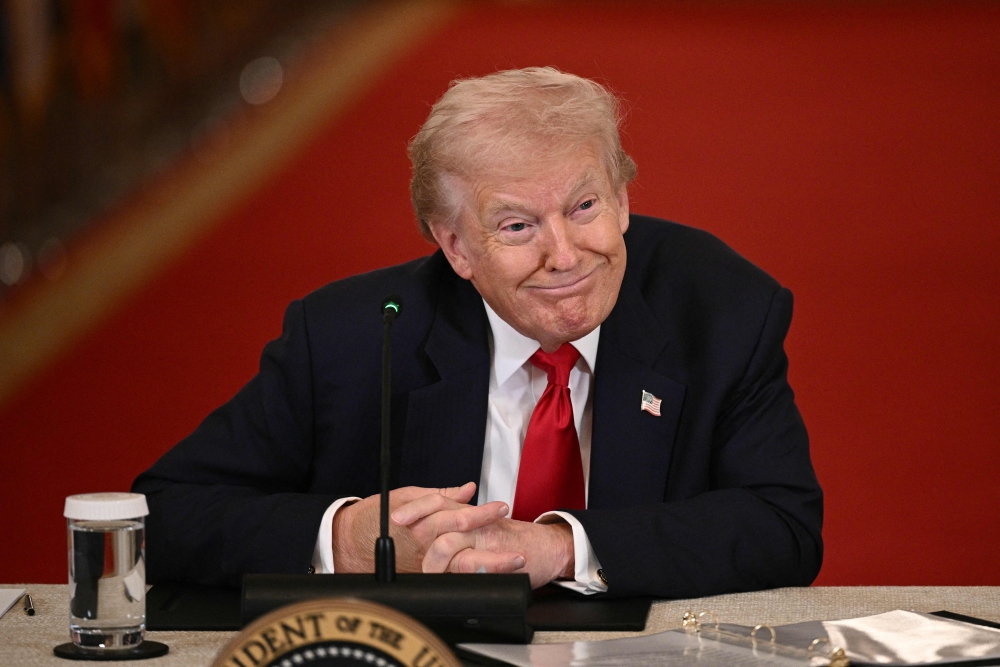
Trump told reporters aboard Air Force One that he was not interested in negotiating an end to the conflict that has sent energy prices skyward, hurt business and snarled global travel.
“At some point, I don’t think there will be anybody left maybe to say, ‘We surrender’,” Trump said.
IRANIAN DRONES STRIKE GULF STATES
The governments of Saudi Arabia, Kuwait, the United Arab Emirates and Bahrain reported Iranian drone attacks in their countries on Saturday and early Sunday, with a huge fire engulfing a government office block in Kuwait.
Kuwait’s interior ministry said two of its officers were killed “while performing duties”.
Bahrain said on Sunday that an Iranian drone attack had caused “material damage” to a desalination plant, though the country’s electricity and water authority said the strike had not disrupted water supplies.
It was the first time an Arab country has said Iran targeted a desalination facility during the conflict. On Saturday, Iran said a US attack had struck a freshwater desalination plant on its Qeshm Island, disrupting water supplies in 30 villages, calling it “a dangerous move with grave consequences”.
Saudi Arabia has told Tehran that continued Iranian attacks on the kingdom and its energy sector could push Riyadh to respond in kind, people familiar with the matter told Reuters.
In an apparent attempt to cool anger across the Gulf, Iran’s President Masoud Pezeshkian apologised to neighbouring states for its attacks on US bases in those countries on Saturday.
His comments faced backlash from some hardliners in Iran, prompting his office to reiterate Iran’s military would respond firmly to attacks from US facilities.
IRAN GETTING CLOSER TO NAMING A NEW LEADER
The clerical body charged with choosing Iran’s next supreme leader could meet as soon as Sunday to name a successor to Ayatollah Ali Khamenei, who was killed in an attack early in the conflict, Iranian media reported.
A majority consensus over the successor has more or less been reached, said Assembly of Experts member Ayatollah Mohammadmehdi Mirbaqeri, according to the Mehr news agency.
Another member of the council, Ayatollah Mohsen Heidari Alekasir, said in a video that a candidate had been selected based on Khamenei’s guidance that Iran’s top leader should be “hated by the enemy”.
Two Iranian sources told Reuters last week that the clear favourite was Khamenei’s son, Mojtaba Khamenei, who amassed power under his father as a senior figure in the security forces and the vast business empire they control. Choosing him would send a signal that hardliners were still firmly in charge.
Trump has justified the biggest US military operation in the Middle East since the 2003 invasion of Iraq by saying Tehran posed an imminent threat to the United States, without providing evidence. He has also said Iran was too close to being able to build a nuclear weapon.
The US and Israel have discussed sending special forces into Iran to secure its stockpile of highly enriched uranium at a later stage of the war, Axios reported, citing four people with knowledge of the discussions.
Asked about the possibility of sending ground troops to secure nuclear sites on Saturday, Trump said it was something they could do “later on.”
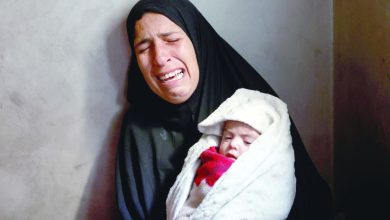
The US-Israeli attacks have killed at least 1,332 Iranian civilians and wounded thousands, according to Iran’s UN ambassador, Amir Saeid Iravani.
Iranian attacks have killed 10 people in Israel. At least six US service members have been killed, with Iran saying on Sunday it had struck US bases in Kuwait.
Lebanon has also been pulled into the conflict after the Iran-backed militant group Hezbollah fired rockets and drones into Israel last week.